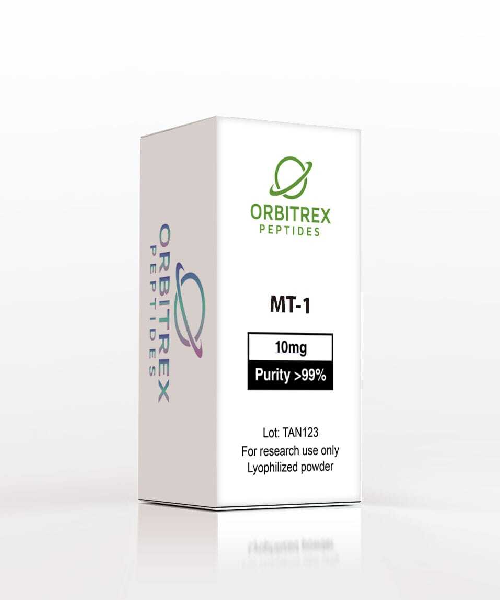
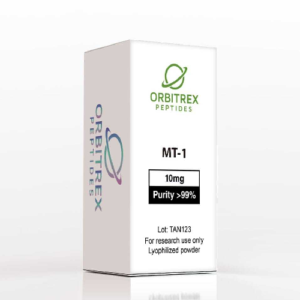
MT-1 (Melanotan I) Research Peptide – Advanced Pigmentation and Melanocortin Signaling Study Compound for Laboratory Research in the USA
MT-1 Research Overview
MT-1, also known as Melanotan I, is a synthetic peptide studied in controlled laboratory environments for its role in melanocortin receptor signaling pathways and pigmentation research. In modern molecular biology and dermatological research, scientists investigate how peptides interact with receptor systems that regulate pigmentation, cellular signaling, and biological responses.
Melanocortin pathways are involved in a variety of physiological processes, including pigmentation regulation and cellular communication. Researchers study MT-1 in experimental models to better understand how these signaling systems influence melanin production and receptor activity at the molecular level.
At Orbitrex Peptide USA, research materials are supplied strictly for laboratory and scientific research purposes, supporting advanced studies in peptide science, molecular biology, and receptor signaling systems.
What Is MT-1?
MT-1 (Melanotan I) is a synthetic peptide analog of alpha-melanocyte-stimulating hormone (α-MSH). It is studied in laboratory research settings for its interaction with melanocortin receptors, which are involved in pigmentation and cellular signaling processes.
In experimental research environments, MT-1 is commonly studied for:
- Melanocortin receptor signaling pathways
- Melanin production regulation studies
- Cellular pigmentation mechanisms
- Receptor binding analysis
- Gene expression in pigmentation pathways
- Molecular signaling research
- Cellular response modeling
Because of its role in melanocortin signaling, MT-1 is widely studied in molecular biology and pigmentation research fields.
Scientific Interest in MT-1
MT-1 is of strong interest in scientific research due to its involvement in pigmentation pathways and receptor signaling systems. Researchers investigate how melanocortin peptides influence cellular communication and biological pigment regulation.
Key areas of interest include:
- Melanocyte signaling mechanisms
- Pigmentation pathway regulation
- Receptor activation studies
- Cellular communication systems
- Gene regulation in pigmentation
These areas make MT-1 relevant in molecular biology, dermatology research, and receptor signaling studies.
Research Applications of MT-1
MT-1 is used in controlled laboratory environments for a variety of experimental studies focused on pigmentation biology and receptor signaling systems. Applications depend on research design and scientific objectives.
Common research applications include:
- Melanin synthesis pathway studies
- Melanocortin receptor research
- Cellular pigmentation experiments
- Gene expression regulation analysis
- Molecular receptor interaction studies
- Biochemical signaling pathway research
- Experimental pigmentation models
Researchers use controlled laboratory conditions to study how peptides influence pigmentation and cellular signaling processes.
Importance of Melanocortin Research
Melanocortin research is an important area of molecular biology because it helps scientists understand how receptor systems regulate pigmentation and other biological functions. These pathways play a key role in cellular communication and response mechanisms.
Key research areas include:
- Pigmentation regulation systems
- Melanocyte receptor signaling
- Cellular response pathways
- Gene expression in pigmentation
- Molecular receptor biology
- Biochemical signaling networks
MT-1 is studied as part of these systems to better understand melanocortin receptor behavior.
Importance of Research-Grade Materials
Scientific research requires consistency, purity, and controlled handling procedures. Variability in compound quality or storage conditions can significantly affect reproducibility and experimental outcomes.
Research laboratories typically prioritize:
- High-purity verified materials
- Batch-to-batch consistency
- Controlled storage environments
- Proper laboratory handling protocols
- Reliable sourcing standards
- Scientific documentation consistency
Maintaining strict quality control ensures accurate and reproducible scientific results.
Laboratory Storage and Handling Guidelines
MT-1 and other research peptides should always be handled according to established laboratory safety procedures.
General best practices include:
- Store in cool, dry conditions
- Avoid exposure to excessive heat
- Protect from moisture
- Minimize light exposure
- Follow laboratory handling protocols
- Maintain controlled storage environments
Proper handling helps preserve compound stability and ensures reliable experimental performance.
Pigmentation and Receptor Signaling Research
Pigmentation research focuses on understanding how cells produce melanin and how signaling systems regulate this process. Scientists study melanocortin receptors and peptide interactions to better understand cellular pigmentation mechanisms.
Key research areas include:
- Melanocyte receptor signaling
- Melanin production pathways
- Cellular pigmentation regulation
- Gene expression in pigmentation
- Molecular receptor interactions
- Biochemical signaling systems
Role of Peptides in Molecular Research
Peptides are important tools in molecular biology research because they function as signaling molecules that influence receptor activity and cellular communication. Researchers use peptides to model biological processes in controlled laboratory environments.
This research contributes to:
- Advances in molecular biology
- Improved understanding of receptor systems
- Development of experimental models
- Insights into cellular signaling
- Expansion of peptide science research
Research Use Disclaimer
MT-1 (Melanotan I) supplied through Orbitrex Peptide USA is intended strictly for laboratory and scientific research purposes only.
This material is not intended for human consumption, medical treatment, therapeutic use, or diagnostic applications. It must only be handled by qualified professionals in controlled laboratory environments following established research protocols.


Reviews
There are no reviews yet.